


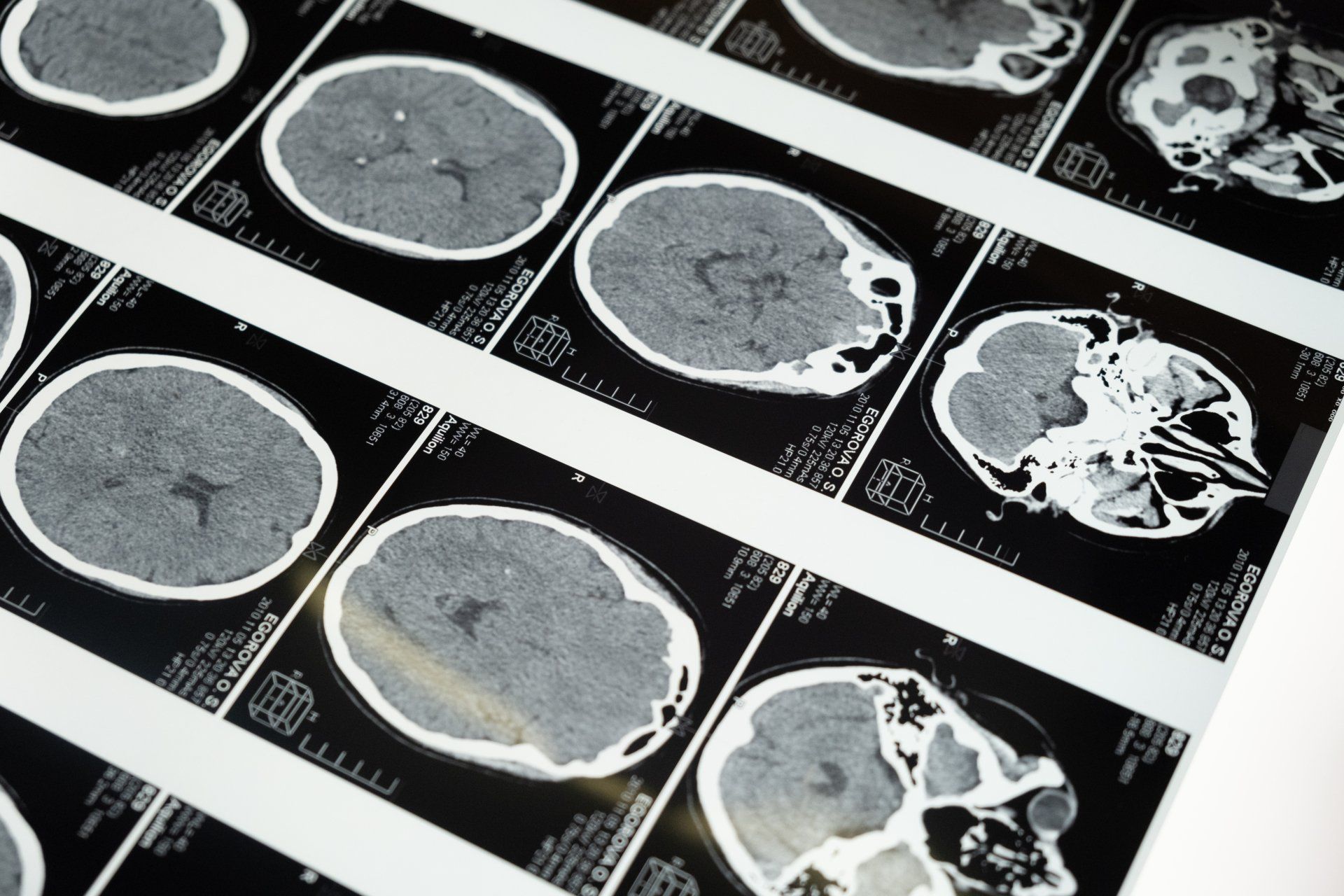
What is a Traumatic Brain Injury (TBI)? A Traumatic Brain Injury (TBI) occurs when an external force causes brain dysfunction, usually from a blow or jolt to the head. TBIs range from mild concussions to severe brain damage and can affect a person’s mental capacity, physical abilities, or emotional functioning. Common Symptoms of TBI TBIs can manifest through a variety of symptoms, which are often categorized into four groups: Cognitive: Difficulty thinking clearly, concentrating, or remembering new information. Physical: Persistent headaches, nausea, and sensitivity to light or noise. Emotional: Experiences of irritability, sadness, or heightened emotions. Sleep-Related: Changes in sleep patterns, such as sleeping more or less than usual, or trouble falling asleep. These symptoms might not appear immediately and can develop over days or even months after the injury. Danger Signs to Watch For Immediate medical attention is crucial if any of the following danger signs appear after a head injury: For Adults: Worsening headaches, slurred speech, weakness, numbness, seizures, increasing confusion, or loss of consciousness. For Children: Similar to adults, plus persistent crying, inability to be consoled, or refusal to eat or nurse. What is a Concussion? A concussion, a milder form of TBI, results from a bump, blow, or jolt to the head that causes the brain to move rapidly within the skull. This can alter brain function, leading to temporary or sometimes longer-lasting impairments. The signs of a concussion can be subtle and do not necessarily involve loss of consciousness. Signs and Symptoms of a Concussion Observed: Confusion, forgetfulness regarding recent events or information, clumsy movement, delayed responses to questions. Reported: Headache, nausea, balance issues, dizziness, visual disturbances, sensitivity to noise or light, feeling sluggish or foggy, and just not "feeling right." Long-Term Effects of Severe Brain Injury Severe brain injuries can lead to profound long-term issues affecting: Cognitive functions: Impairment in thinking, memory, and learning. Physical abilities: Problems with coordination and balance, speech, and sensory perceptions. Emotional wellbeing: Changes in personality and emotional stability. These changes can impact relationships, employment, and daily activities. Immediate Actions if a Concussion Occurs Seek Medical Attention: Anyone suspected of having a concussion should see a healthcare professional immediately. Early diagnosis and management are crucial for recovery. Monitor Symptoms: Close observation for new or worsening symptoms is essential, especially in the days following the injury. Follow Professional Advice: Adhering to a healthcare professional’s recommendations for rest and treatment ensures the best recovery outcome. Understanding the signs and symptoms of traumatic brain injuries, particularly concussions, is vital. Recognizing the severity of these symptoms and responding promptly with appropriate medical care can significantly influence recovery and quality of life post-injury. Awareness and education are key components in effectively managing the impacts of TBIs.